







13/10/2026
If you are arranging an estate clearance in SW16, you probably want the same few things most...
Rubbish Clearance Streatham provides practical waste removal in Streatham for customers who want unwanted items, mixed rubbish and bulky loads taken away without turning the task into a long disruption. Our service covers domestic clearances, commercial waste, garden waste, furniture removal, appliance disposal and builders rubbish, with a straightforward approach that keeps the work focused on what needs to go and what needs to stay.
If you are clearing a property, making room for new stock or dealing with accumulated items after a project, we handle the lifting, sorting and transport so the job moves at a sensible pace. The service is designed around safe, lawful disposal and a clear understanding of the load, the access and the type of waste involved. Tell us what needs removing and we can help you decide the most suitable service.
For a quick start, use the services overview to see the main waste removal options we provide. If you already know what needs clearing, a short message with the items and access details is usually enough to begin planning the work. When you are ready, ask for a quotation and we will take it from there.
Household rubbish clearance suits situations where ordinary council collections are not the best fit, or where the amount and type of waste needs a more flexible service. That can include mixed bagged rubbish, old household items, clutter from storage spaces, and bulky objects that are difficult to move safely without assistance. The aim is to remove the load efficiently while keeping the process clear and controlled for the occupier.
Our domestic waste collection in Streatham is useful when you want a single clearance rather than several separate trips. We can deal with waste from lofts, sheds, garages and general living spaces, and we make a point of separating obviously different material streams where that is relevant to disposal. The service is suited to one-off clear-outs as well as intermittent household waste that has built up over time.
Typical jobs may involve old toys, broken household goods, packaging, unwanted bags, worn storage items and mixed clutter that has lost its use. Because every load is different, the most helpful starting point is a simple description of the items and whether they are loose, bagged or already grouped together. A little detail helps us plan the right vehicle space and decide whether the work is best treated as general rubbish, furniture, or a more specific waste category. Clear information now usually makes the clearance smoother later.
Furniture removal is often needed when you are replacing a room’s contents, moving out old pieces, or dealing with items that are too bulky to leave with general rubbish. Sofas, wardrobes, tables, chairs and similar pieces can be awkward to shift through narrow halls or stairways, so a removal service needs to account for handling as well as disposal. We remove the items from the property and take them onward for appropriate processing.
The furniture removal service is especially relevant when single items are too large for standard waste collection, but not large enough to justify a full clearance of the whole property. In practice, this gives you a neat way to deal with one room, one flat or one group of items without disturbing the rest of the home. Where pieces can be separated safely, that helps keep the load organised and easier to manage.
Different materials and item sizes affect how furniture is handled. Flat-pack units, solid wood furniture, upholstered pieces and dismantled parts may each need slightly different treatment during loading. If a set can be broken down, that is worth mentioning at the start, as it may affect access and the time needed on site. The practical result is a more accurate and more useful quotation, based on the items rather than on guesswork.
Garden waste removal helps when pruning, landscaping or seasonal tidying has produced more green waste than you want to compost or bag yourself. This service is suitable for branches, hedge trimmings, grass cuttings, leaves and other outdoor debris that needs collecting from the garden and moving away for proper disposal. It can also help after more involved work such as clearing overgrown corners, tidying borders or stripping out tired planting material.
Our garden waste removal in Streatham is arranged around the type and volume of green material involved, rather than around a fixed approach that suits every plot. That matters because some jobs are light and leafy, while others include heavier cuttings, bagged material or mixed outdoor waste. If the load includes timber, soil, old pots or garden furniture, those items may need to be identified separately so they can be handled in the right way.
Commercial rubbish clearance supports shops, offices, landlords and other business premises that need unwanted materials removed without slowing the workday more than necessary. Clearances may include packaging, broken fixtures, old stock, office items or routine refuse that is building up faster than internal storage can handle. The key is to keep the site usable while the waste is taken away in a way that remains orderly and compliant.
Our commercial waste removal in Streatham is useful where waste appears in regular bursts or after a change in use, refurbishment or stock turnover. Some businesses need a one-off load removed after a room is emptied, while others prefer a recurring arrangement for similar waste types. Either way, the focus is on removing the material efficiently and keeping the work easy to schedule around your operating hours where possible.
For business customers, it often helps to group waste into broad categories before the collection takes place. That can include cardboard, bagged rubbish, shelving, broken fittings, obsolete stock and mixed contents from storage areas. The more clearly the waste is described, the easier it is to match the service to the site and avoid unnecessary delay when the team arrives.
Builders waste removal is intended for the aftermath of domestic improvements, renovation work and smaller construction projects where rubble and offcuts begin to crowd the site. It can include broken plasterboard, timber offcuts, packaging, tiles, mixed debris and other renovation waste that should not be left to accumulate around access routes or living spaces. The aim is to restore order to the site and remove the residue responsibly.
Our builders waste removal in Streatham works well for property owners, contractors and trades who need debris cleared without waiting for a full skip arrangement. Because building waste can vary widely in weight, size and composition, it is important to describe the material honestly from the outset. That allows a more accurate plan for loading and disposal, especially where waste includes a mix of heavy and lighter items.
Supported construction waste usually needs a careful approach to sorting and handling. Loose rubble, sharp fragments and dusty waste can create different handling needs from timber or packaging, so the removal team has to think about safe loading as well as efficient transport. If access is tight or the waste is spread across several rooms or outdoor areas, it is worth saying so when you enquire.
House clearance is the broader option when a property contains multiple types of unwanted items and the job is bigger than a simple rubbish collection. It can be used for full or partial clear-outs, for properties being prepared for sale or letting, and for situations where the contents need reducing in a structured way. Rather than focusing on one item category, the service is designed to handle a mixed property load carefully.
Our house clearance service brings together the practical elements of lifting, sorting and removing contents from rooms, lofts, basements or outbuildings. That may include furniture, household clutter, appliance items and general waste that all need dealing with in one visit. A good clearance plan usually starts with identifying what should remain on site and what can be removed, so the process stays organised and respectful of the property.
It helps to mention whether the clearance is partial or complete, which rooms are involved and whether any items need dismantling before removal. Photographs can be useful when they show volume, item type and access points, but a written description is still the starting point. If there are fragile surfaces, tight staircases or parking restrictions, those details are worth including because they affect how the work is arranged and how long it may take.
White goods and appliance disposal is the right service for large domestic machines that have reached the end of their useful life or need to be replaced. Fridges, freezers, washing machines, tumble dryers and similar appliances are awkward to manage because of their weight, size and built-in components. Removal needs to be handled properly so the item is lifted safely and passed on through the correct disposal route.
Our appliance disposal in Streatham is suitable for single units as well as multiple machines being removed at the same time. In many cases, the main value of the service is that it deals with the physical removal and transport, while also making sure the appliance is not treated like ordinary household rubbish. If an appliance is built in, heavy, or awkwardly positioned, that should be made clear at the point of enquiry.
When requesting this kind of collection, it is useful to say whether the appliance is still connected, whether it is freestanding or integrated, and whether there are any access issues such as steps or narrow doorways. Those points do not need to become a long explanation, but they do help the job be planned properly and keep the removal straightforward on the day. Specific details lead to a cleaner, more accurate arrangement.
Quotation requests are usually shaped by the amount of waste, the type of material, the labour needed to move it and any access constraints at the property or premises. A mixed load that includes furniture, bagged rubbish and heavy debris may take a different amount of time and handling than a light, single-category collection. For that reason, clear descriptions are more valuable than broad labels when a price is being prepared.
Our pricing and quotes page explains the main practical factors behind a quotation and is a useful place to check before you send details through. If you already know the service type, you can move straight to the enquiry process; if not, it may help to compare the main options first so you are asking for the most suitable clearance rather than the nearest-sounding one. That keeps the conversation focused and saves time on both sides.
Please send a concise description of the items, the property type and any access notes, then ask for a quotation when you are ready. If you want to keep things simple, a short message with a photo and a few words about what needs to go is usually enough to begin. Request your quote today and we will help you choose the right removal service.
Streatham is a district in south London, within the London Borough of Lambeth, stretching along the A23 corridor between Brixton and Norbury. Historically it developed as a settlement on the London to Brighton route, and its growth was shaped by transport links and suburban expansion in the nineteenth and twentieth centuries. The area retains a mix of residential streets, high-road commercial frontages and open spaces that give it a varied urban character. Streatham Common is one of its best-known green spaces, and along with the adjoining playgrounds and recreational areas it provides an important open-air counterpoint to the denser built-up roads nearby. Streatham Hill and Streatham Common stations connect the district to central London and the wider rail network, while the high road remains the main commercial spine. Architecture in the area ranges from Victorian and Edwardian terraces to later blocks and mixed-use buildings, showing the layers of development that have shaped the district over time. Cultural life is reflected in local leisure venues, churches, independent businesses and the everyday rhythm of a long-established South London neighbourhood. Although it is now firmly part of the capital’s urban fabric, Streatham still preserves the feel of a distinct local centre rather than a purely through-route suburb. The balance of parkland, shops, housing and transport gives the district a character that is both practical and recognisable, with a strong sense of place rooted in its history and street pattern.
Waste removal should always be matched to the material being taken away, especially where items are heavy, sharp, mixed or potentially restricted. We keep the focus on lawful transport and disposal, sensible loading and careful handling, because those are the parts that matter most to a customer who wants the work done properly. Our waste carrier licence and compliance information is there for customers who want to understand how we approach that side of the service.
If you would like background on the company itself, the about us page gives a short overview, while the insurance and safety page covers the practical approach to safe working. For payment-related questions, the payment and security page provides helpful context before you go ahead. These pages are useful when you want to check the details behind the service before confirming the work.
To finish, keep your request simple: say what needs removing, where it is located and when you would like it looked at. Then use the contact us page to request a quotation and arrange the next step. If you already know the service you need, mention it directly so we can respond with the most relevant option.
Rubbish Clearance Streatham provides domestic, commercial, garden, furniture, appliance and builders waste removal in Streatham, with clear pricing and simple quotation enquiries.
If you are arranging an estate clearance in SW16, you probably want the same few things most...
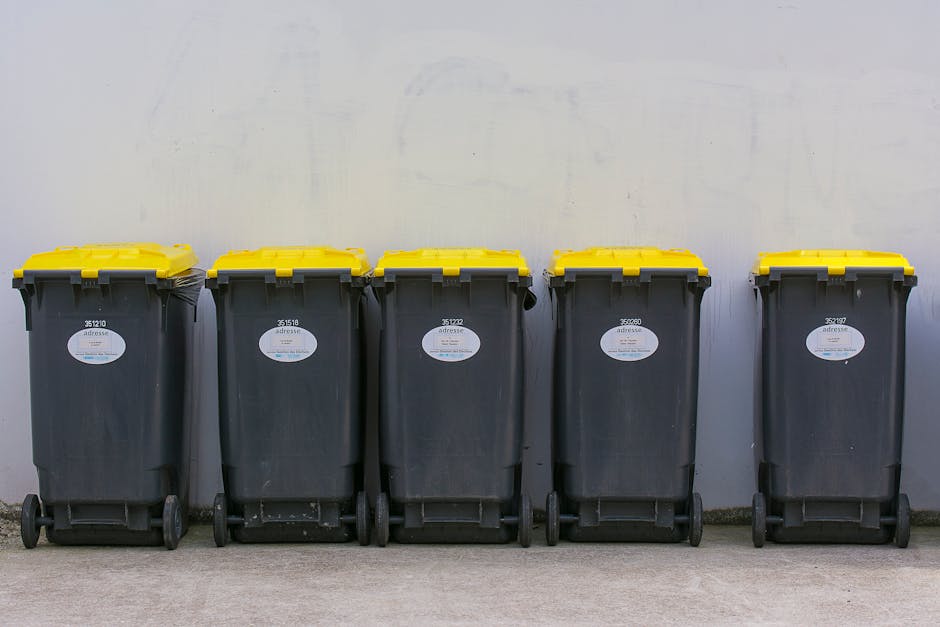
If you run, manage, or even just look after an office near Streatham Hill station, rubbish has a...
If you have an old sofa blocking the hallway, a broken wardrobe in the spare room, or a pile of...

London, the capital city of England, is known for its bustling energy and lively atmosphere.

Streatham, located in South London, is quickly becoming one of the city's prime residential areas.

Streatham, a vibrant neighborhood in South London, has evolved into a hub of nightlife and...

Streatham, located in South London, is a vibrant and diverse community. Those who live in...

Electronic waste, also known as "e-waste", is any discarded electrical or electronic device.

Nestled in the vibrant borough of Lambeth, Streatham has emerged as a sought-after destination...

 (83)
(83)
Please fill out the form below to send us an email and we will get back to you as soon as possible.