Streatham Hill station office rubbish pickup options
Posted on 03/09/2026
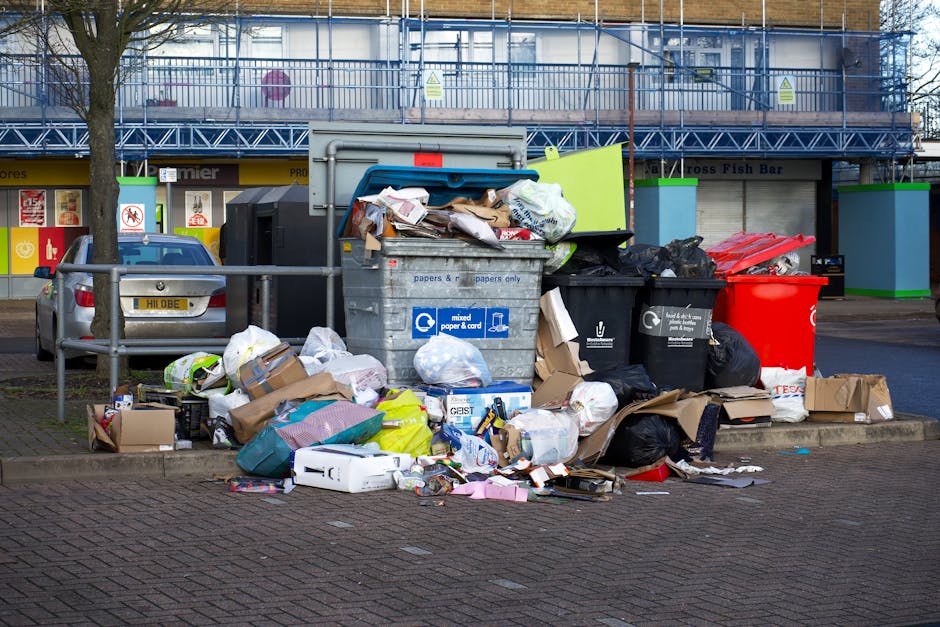
If you run, manage, or even just look after an office near Streatham Hill station, rubbish has a way of piling up at the worst possible moment. One broken chair here, a few bags of old paper there, and suddenly the back room is doing a very convincing impression of a storage cupboard nobody asked for. Streatham Hill station office rubbish pickup options are really about keeping that kind of mess under control without disrupting your team, your clients, or the day's work.
In practice, the right pickup choice depends on what you need moved, how quickly it needs to go, and whether your office waste includes anything awkward like electronics, confidential paperwork, or bulky furniture. This guide breaks it all down in plain English, so you can compare the most sensible approaches and avoid the usual headaches. If you want the bigger picture too, our services overview is a helpful place to start.
Why Streatham Hill station office rubbish pickup options matters
Office waste is not just an eyesore. In a busy pocket of south London, it can affect access, safety, staff morale, and even how your business feels to visitors. Near a station, there is often a tighter rhythm to the day: deliveries arrive, commuters pass through, staff come and go, and there is not much patience for a corridor blocked by old filing cabinets or an overflowing recycling area.
That is why choosing the right pickup approach matters. A poor choice can mean missed collections, wasted staff time, avoidable storage problems, and the dreaded "we'll sort that out next week" situation that turns into next month. To be fair, offices rarely generate one neat type of waste. It is usually a mix: packaging, office paper, broken desks, used monitors, kitchen clutter, and the occasional mystery item nobody wants to claim.
There is also a reputational side. If your office receives clients, contractors, or prospective tenants, the space around your entrance and common areas shapes their impression very quickly. A tidy, well-managed waste arrangement quietly says, "We are organised." A pile of cardboard under the stairs says something else entirely.
For businesses planning longer-term premises decisions around the area, local context can help. Our article on real estate in Streatham gives a useful feel for the area, while what locals say about living in Streatham offers a grounded look at everyday life nearby.
Expert summary: The best office rubbish pickup option is the one that fits your waste type, building access, urgency, and compliance needs. The cheapest solution is not always the cheapest in the end if it creates delays or handling risks.
How Streatham Hill station office rubbish pickup options works
Most office pickup services work in a fairly simple way, but the details matter. First, you identify what needs removing. Then you decide whether the waste is general office rubbish, bulky items, recyclable material, or something that needs special handling. After that, you book a collection time and prepare the items so they can be moved safely and quickly.
For offices near Streatham Hill station, access is often the real practical issue. Some buildings have narrow stairwells, limited loading space, no lift, or strict time windows for collections. That means the best pickup option is often the one that can work around real-world constraints rather than one that looks neat on paper.
A typical office pickup might involve:
- an initial assessment of the waste volume and type
- collection from reception, storage rooms, basement areas, or upper floors
- sorting for reuse, recycling, or disposal
- removal by a licensed waste carrier
- environmentally responsible processing where possible
If your office is clearing old desks, chairs, or filing units, you may want to look at furniture removal in Streatham. If the job includes monitors, cables, printers, or other tech, different types of electronic waste is worth a read before anything is lifted into a van.
In many cases, offices also need an approach that fits around normal working hours. Early morning pickups can be ideal if staff need the office clear before the day begins. End-of-day collections can work well too, especially if there is a lot of foot traffic around the station area. Sometimes the most sensible answer is a partial pickup now and a second sweep later. Not glamorous, but very effective.
Key Benefits and Practical Advantages
The main advantage of a good office rubbish pickup arrangement is obvious: you get your space back. But the real value goes further than that.
- Less disruption: Collections can be timed around your team's working day.
- Safer premises: Clear walkways, fewer trip hazards, and less clutter in shared areas.
- Better use of space: Storage rooms stop becoming accidental graveyards for old equipment.
- Improved presentation: Your office looks calmer and more professional.
- Cleaner recycling habits: Waste is separated properly instead of all ending up in one bag.
- Reduced admin pressure: The right service handles collection, lifting, and disposal efficiently.
There is a softer benefit too. People work better in a tidy environment. You notice it in small ways: fewer "where did we put that?" moments, easier access to supplies, less visual noise. It sounds minor, but in a busy office it adds up fast.
If your business is comparing organised waste removal with broader clearance support, you may also find commercial waste removal in Streatham useful. For offices that mix general rubbish with household-style items, domestic waste collection in Streatham can also be relevant in some circumstances, especially for smaller mixed-use premises.
Who This Is For and When It Makes Sense
Streatham Hill station office rubbish pickup options are relevant to more people than you might think. This is not only for large corporate offices. In fact, smaller firms often need it more urgently because they have less spare storage and fewer facilities staff.
It tends to make sense for:
- small offices with limited storage space
- shared workspaces where waste can build up quickly
- professional practices replacing old furniture or equipment
- start-ups moving in, moving out, or reconfiguring their layout
- property managers handling office clear-outs between tenants
- retail or service businesses with back-office waste and packaging
A very common scenario is the "we only meant to clear one room" job. Then the team realises the room contains broken chairs, old stationery, three printers, half a dozen monitor stands, and a stack of boxes that somehow survived two office moves. That is usually the moment a pickup service earns its keep.
It also makes sense when your office is preparing for a refit or relocation. If you are planning a change of premises or layout, the practical side of waste removal tends to get missed until the last minute. For some readers, our guide to purchasing property in Streatham may also be useful background if you are moving business space or considering a different base nearby.
Step-by-Step Guidance
Here is the most practical way to approach an office rubbish pickup without overcomplicating it.
- Walk the office and list the waste. Separate paper, cardboard, furniture, electronics, and anything unusual.
- Estimate volume roughly. A few bags is very different from a room full of furniture.
- Check access. Note stairs, narrow doors, loading restrictions, lift availability, and any time windows.
- Identify sensitive items. Confidential paper, storage media, and devices may need extra care.
- Decide what should be reused or recycled. Some items are better donated, repaired, or dismantled for materials recovery.
- Choose a pickup method. Same-day clearance, scheduled collection, or phased removal all have different strengths.
- Prepare the space. Box loose items, label areas, and keep hallways clear.
- Confirm practical details. Arrival time, parking instructions, building access, and what is included should all be clear before the team arrives.
A quick note that sounds obvious but saves trouble: do not leave decision-making until the van is outside. That is when confusion multiplies. If you already know what goes, what stays, and what needs special handling, everything runs more smoothly.
For larger or awkward jobs, it may help to compare office pickup with other common clearance types. builders waste removal in Streatham is useful when an office fit-out creates rubble, packaging, and offcuts. And if the job is tied to a relocation or change of occupancy, house clearance in Streatham can be a useful reference point for how clearance crews handle full-property clear-outs, even though the setting is different.
Expert Tips for Better Results
If you want the pickup to go well, a few small habits make a big difference. These are the things that often get missed in a hurry.
- Label mixed waste clearly. "Recycle", "shred", "keep", and "remove" are far better than one giant pile.
- Separate electronics early. Cables, laptops, printers, screens, and batteries should not be treated like ordinary rubbish.
- Remove confidential items yourself first. Don't leave sensitive files in a box and hope for the best.
- Measure bulky items. Door frames and stair turns are annoying things to discover at the wrong moment.
- Plan around your busiest hour. In an office near the station, even a small delay can make collections awkward.
- Ask about recycling routes. It is worth knowing what happens after pickup, not just how fast it disappears.
One thing we often tell people: if an item is awkward to describe, it is usually awkward to remove. That does not mean impossible, just worth flagging early. A slightly boring five-minute conversation up front can save a much less boring twenty-minute shuffle later.
If sustainability matters to your business, you may appreciate our page on recycling and sustainability. It is a good reminder that responsible disposal is not only about "getting rid", but about keeping as much material in use as possible.

Common Mistakes to Avoid
Office rubbish pickup sounds straightforward until the small mistakes begin to stack up. Here are the common ones.
- Leaving it too late: A two-day job turned into a same-morning panic is never fun.
- Assuming all waste is the same: It is not. Furniture, paper, and electronics need different handling.
- Forgetting access issues: Parking restrictions and loading spaces matter a lot near stations.
- Mixing confidential waste with general rubbish: That creates avoidable risk.
- Choosing purely on price: Cheapest can become expensive if collections are incomplete or poorly managed.
- Ignoring compliance: Office waste still needs proper documentation and lawful disposal.
Another common one? Assuming "someone else sorted it". Offices often have a few people all thinking the other person dealt with it. Then the cupboard tells a different story.
If your office contains old appliances, fridges, or other larger items, white goods and appliance disposal in Streatham can be a helpful related service to consider. It is the kind of detail that saves a second round of booking.
Tools, Resources and Recommendations
You do not need a complicated system to manage office rubbish well, but a few tools help. The goal is clarity, not bureaucracy for its own sake.
- A simple waste log: note what is being removed, when, and by whom.
- Labels and tape: the most underrated office supplies, honestly.
- Basic measuring tape: handy for bulky items and access points.
- Shredding or secure disposal process: for paper containing personal or commercial information.
- Separate boxes for electronics: keeps cables and small devices from getting tangled up with everything else.
For broader reading on the service side, our pricing and quotes page explains how jobs are typically assessed, while waste carrier licence and compliance gives useful reassurance about how legitimate operators should work.
If your office is in a building with mixed occupancy, or if you are unsure how your rubbish fits with the rest of the building's arrangements, it helps to speak to the building manager first. It sounds basic, but it prevents a fair few awkward conversations. And yes, someone will usually know where the spare keys, loading permits, or lift booking sheet live. Usually.
Law, Compliance, Standards, or Best Practice
Office rubbish pickup is not just a practical task; it sits inside a wider framework of duty of care, data handling, and environmental responsibility. You do not need to become a legal expert overnight, but you do need enough awareness to avoid careless mistakes.
In the UK, businesses are generally expected to make sure waste is transferred to a legitimate operator and handled appropriately. In plain English, that means you should be comfortable that whoever removes your waste is properly authorised and that the waste will not just be dumped somewhere undesirable. If a service cannot explain its process clearly, that is a sign to pause.
For offices, best practice usually includes:
- using a licensed waste carrier
- keeping records of collections where appropriate
- separating recyclable material from general waste
- handling confidential paper and storage media securely
- ensuring staff do not move heavy items unsafely
Insurance and safe handling also matter. Lifting awkward furniture down stairs or through tight communal areas can go wrong quickly, and that is where professional methods help. If safety is a priority, our insurance and safety page outlines the sort of care responsible clearance work should include.
There is a simple rule of thumb here: if the job feels too messy, too heavy, or too sensitive for normal office staff to handle comfortably, treat it as a proper clearance task rather than an after-hours favour. Nobody needs a strained back or a lost file to prove a point.
Options, Methods, or Comparison Table
There is no single best pickup method for every office. Here is a straightforward comparison to help you think it through.
| Option | Best for | Strengths | Watch-outs |
|---|---|---|---|
| Ad hoc on-demand pickup | Small one-off clearances | Fast, simple, easy to arrange | May be less efficient for larger or repeated jobs |
| Scheduled office clearance | Regular or planned waste removal | Predictable, better for recurring needs | Needs more planning and coordination |
| Same-day removal | Urgent clutter or end-of-tenancy pressure | Useful when time is tight | Access and item list must be clear |
| Phased pickup | Large offices or staged moves | Reduces disruption, easier to manage room by room | Takes longer overall |
| Mixed waste and recycling collection | Offices with varied waste streams | Good for sustainability and organisation | Requires better sorting beforehand |
For many offices near the station, phased pickup is the best balance. It lets you clear one area at a time without turning the whole workplace upside down. But if you are trying to hand back keys, same-day can be the right answer. Context matters more than theory.
Some offices also benefit from pairing office rubbish pickup with other specialist clearances. For instance, if a refit is underway, our Streatham High Road home rubbish clearance guide and insider tips on bulky rubbish removal can help you think about access, item grouping, and planning in a local context.
Case Study or Real-World Example
Imagine a small professional office a short walk from Streatham Hill station. The team has been meaning to deal with the side room for months. It contains three old office chairs, a broken printer, flattened cardboard, a rusting shelving unit, and several boxes of files that no one has opened since the last tenant.
At first glance, it feels like a "maybe next week" job. But next week turns into next month, and the side room starts leaking into the hallway. Staff begin stacking items on windowsills. Someone suggests moving things "just for now", which is usually how clutter spreads.
The practical route is simple: sort the room into keep, recycle, confidential, and remove; check access through the rear door; book a pickup outside the busiest staff arrival time; and make sure the files are handled securely. The old printer and cables go with the electronic items, the shelving is broken down, and the cardboard is separated for recycling. By mid-morning, the office looks bigger, calmer, and more usable.
What changed? Not the size of the office. Just the way the waste was handled.
Practical Checklist
Use this before arranging your pickup. It keeps things tidy and saves time.
- Identify all rubbish types in the office
- Separate electronics, furniture, paper, cardboard, and general waste
- Remove confidential material from mixed waste
- Measure bulky items and check access routes
- Confirm parking or loading arrangements
- Decide whether the pickup needs to be same-day or scheduled
- Ask about recycling and reuse routes
- Keep corridors and exits clear
- Make sure the service can handle your waste volume
- Review the paperwork or collection record after the job
If you can tick most of those off, you are already ahead of many offices. The whole thing becomes less chaotic, and honestly, less stressful than it has any right to be.
Get a free quote today and see how much you can save.
Conclusion
The best Streatham Hill station office rubbish pickup options are the ones that fit your actual office life, not just your waste pile. That means thinking about access, timing, safety, item type, and how much disruption you can realistically tolerate. Once those pieces are clear, the rest becomes a lot easier.
Whether you need a quick clear-out, a planned office reset, or support with bulky furniture and mixed waste, a well-managed pickup keeps your workspace practical and professional. And in a busy local area like this, that kind of calm order is worth more than it sounds.
Take the time to sort it properly, and the office feels better almost immediately. Sometimes the cleanest win is simply getting rid of the stuff that should have gone ages ago.